
Non-profit organizations play a vital role in shaping the environmental movement. Unlike corporations focused on profits, non-profits dedicate their resources to meaningful change. They work on issues like renewable energy adoption, reforestation, ocean protection, and sustainable farming, ensuring that communities and nature thrive together. By uniting volunteers, experts, and donors under one mission, non-profits serve as catalysts for both local and global transformation. Their presence bridges the gap between policy makers and grassroots initiatives, keeping the environment at the center of progress.
Community at the Heart of Sustainability
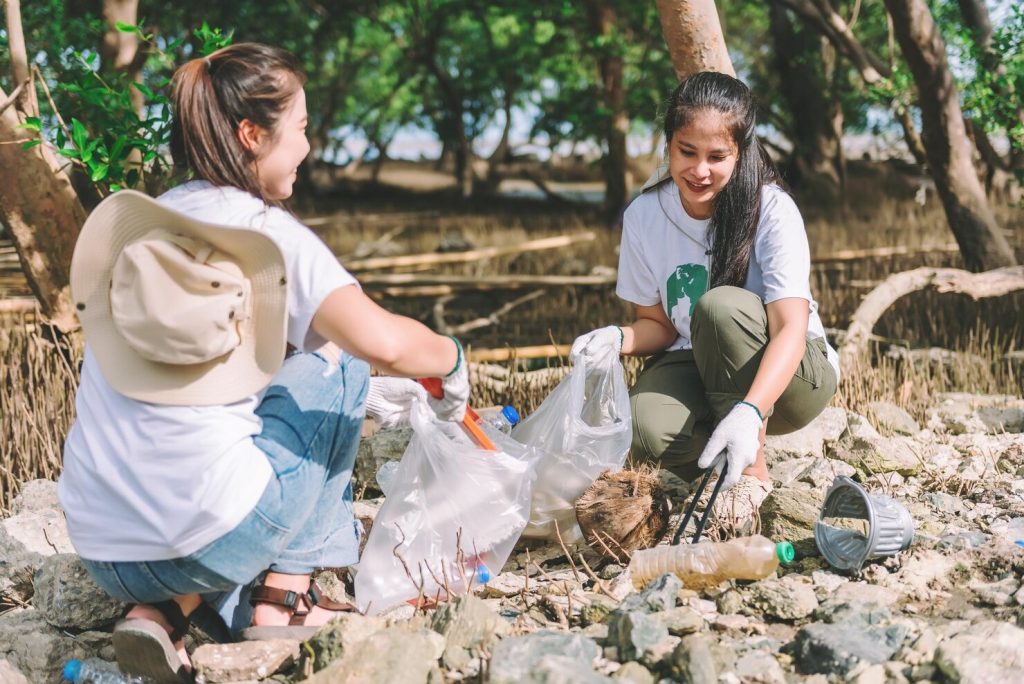
One of the greatest strengths of environmental non-profits is their ability to connect with people at the community level. From teaching school children about recycling to helping rural families gain access to clean energy, these organizations create real impact where it matters most. By listening to local voices and addressing specific challenges, they ensure that solutions are practical and sustainable. Whether it’s planting mangroves to protect coastlines or setting up water conservation projects in farming villages, their actions strengthen resilience while building awareness.
Innovation and Education for a Greener Future
Environmental non-profits are not only about advocacy—they’re also hubs of innovation and education. Many organizations pioneer projects that showcase how renewable energy, eco-friendly technologies, and conservation strategies can be implemented effectively. Workshops, training programs, and awareness campaigns empower communities with knowledge to make informed choices. For instance, teaching farmers sustainable methods reduces waste and boosts productivity, while renewable energy training helps young people secure green jobs. These initiatives prove that when education meets innovation, the environment wins.
Partnerships That Multiply Impact
No non-profit can solve environmental challenges alone. That’s why collaboration is at the core of their success. By partnering with governments, businesses, and international organizations, non-profits amplify their reach and resources. Such partnerships help in scaling projects like reforestation campaigns, clean water access, and renewable energy networks. Moreover, these alliances bring together diverse expertise, allowing for more holistic solutions. When a local non-profit joins forces with global partners, they turn small initiatives into powerful movements that can influence policy and shift cultural behaviors worldwide.
Inspiring a Generation to Take Action
Perhaps the most lasting contribution of environmental non-profits is their ability to inspire. Their campaigns remind us that every individual has the power to make a difference, whether by volunteering, donating, or simply adopting sustainable habits in daily life. Through their work, they foster a culture of environmental responsibility that extends across generations. By planting seeds of change—literally and figuratively—they nurture a future where people and the planet coexist in harmony. In this way, non-profits are not just protecting the environment today, but also empowering tomorrow’s leaders to continue the fight.